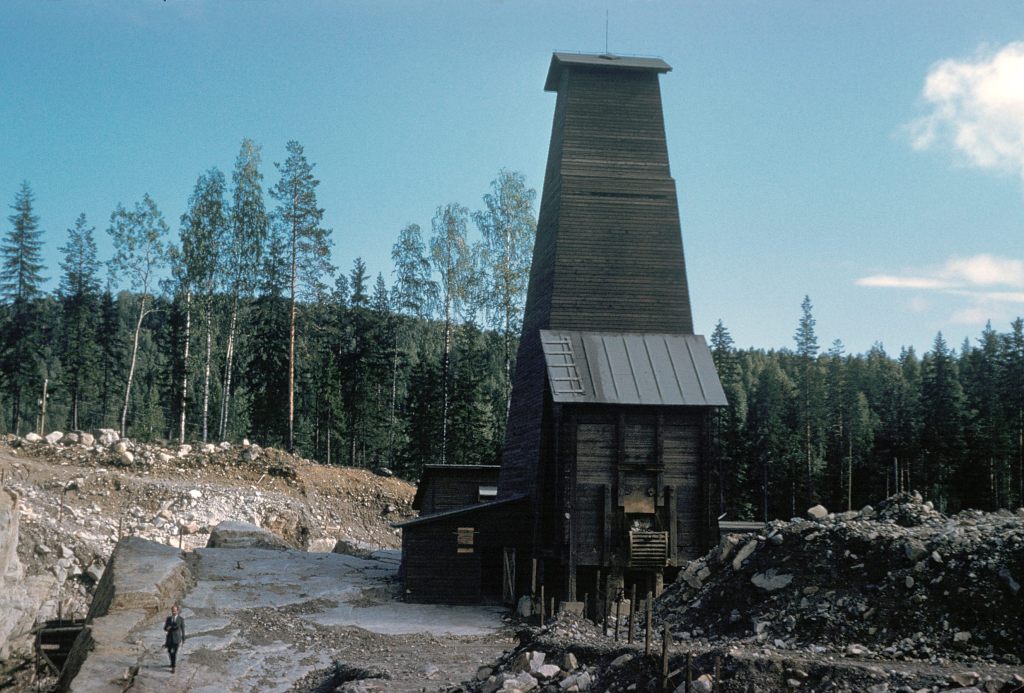
Located in the municipality of Joensuu in easter Finland, Paukkajanvaara is the first and only uranium mine in Finland. The pilot scale mine operated for only a few years between 1958 and 1961 before it was closed down as nonprofitable. The low-quality uranium ore was refined on the site and sold to Sweden.
After closing, Paukkajanvaara remained abandoned for decades until it was rehabilitated in the early 1990s. The mine shafts were blasted, the open pit filled with earth, and the whole area was covered with sand and clay in order to contain the radiation caused by the radically increased surface area of uranium-rich bedrock. Today, Paukkajanvaara is classified as a final disposal site for nuclear waste, but the area remains open for recreational use.
During our visit to the site, we identified the original locations of service buildings, the mine pit, the refinery, as well as the waste rock area where the highest values of radiation – up to 20 µSv/h – were detected. Very few material traces of the operation remain on the site. We only found one metallic structure that most likely used to belong to the refinery.
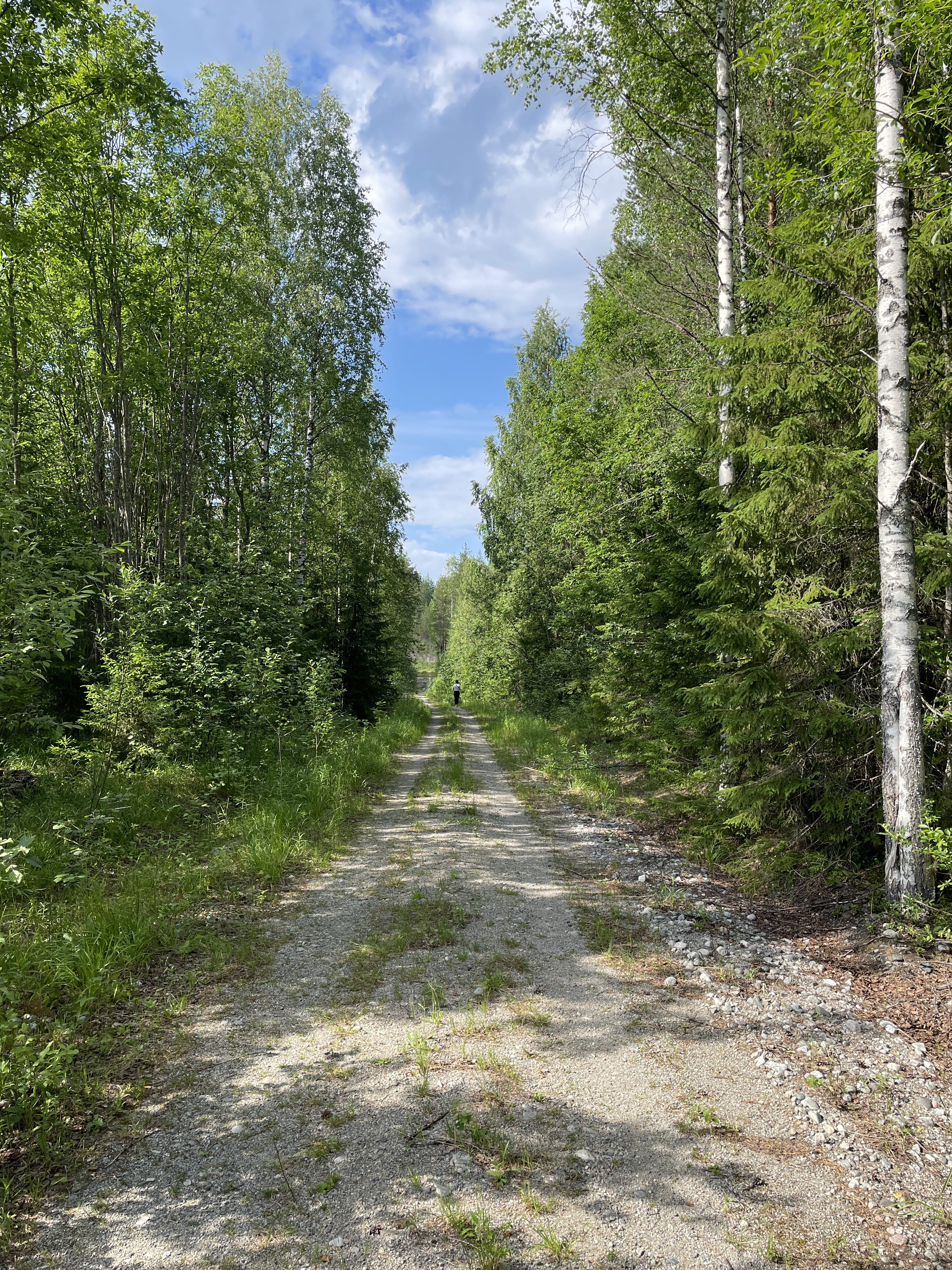
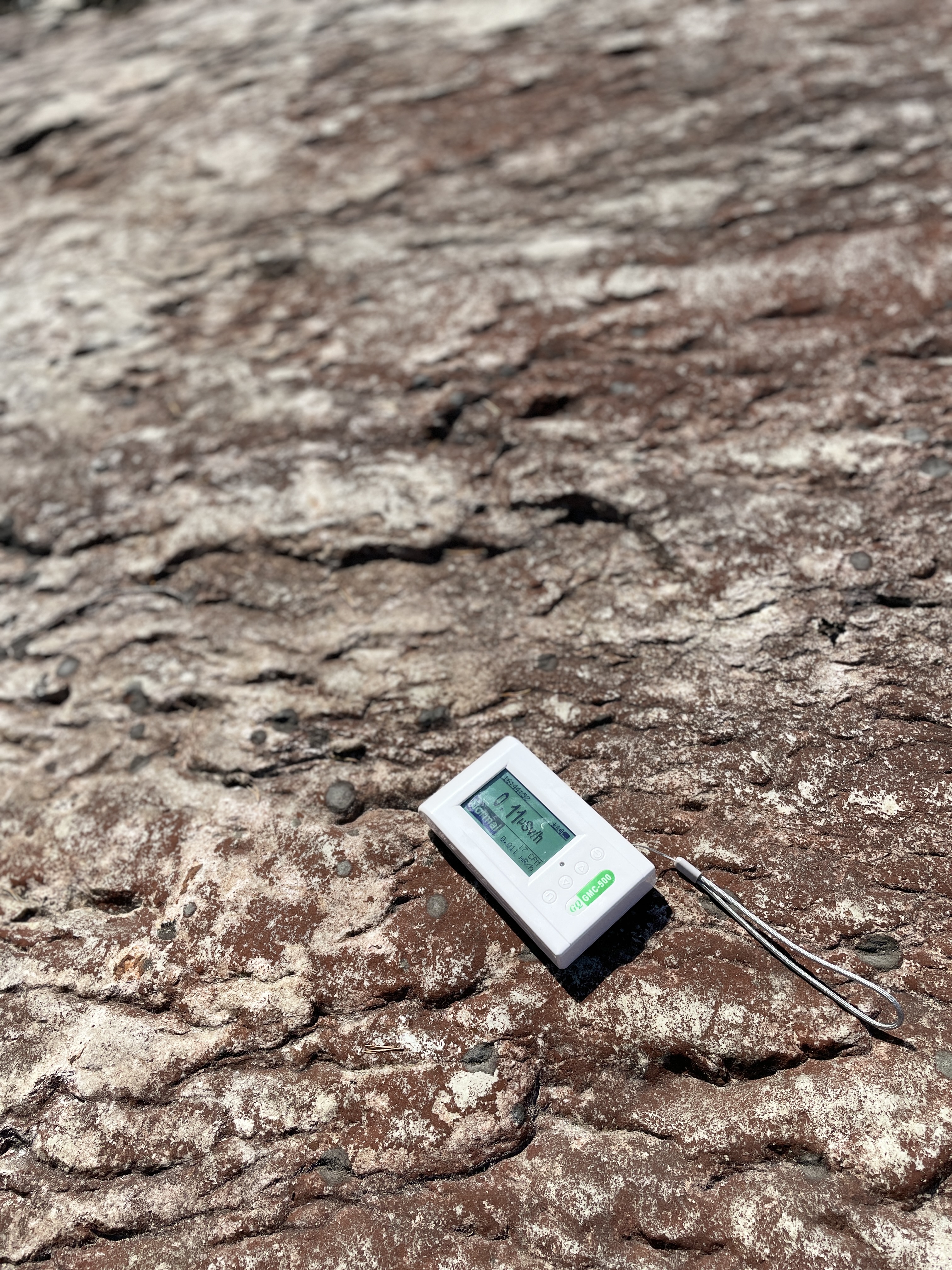
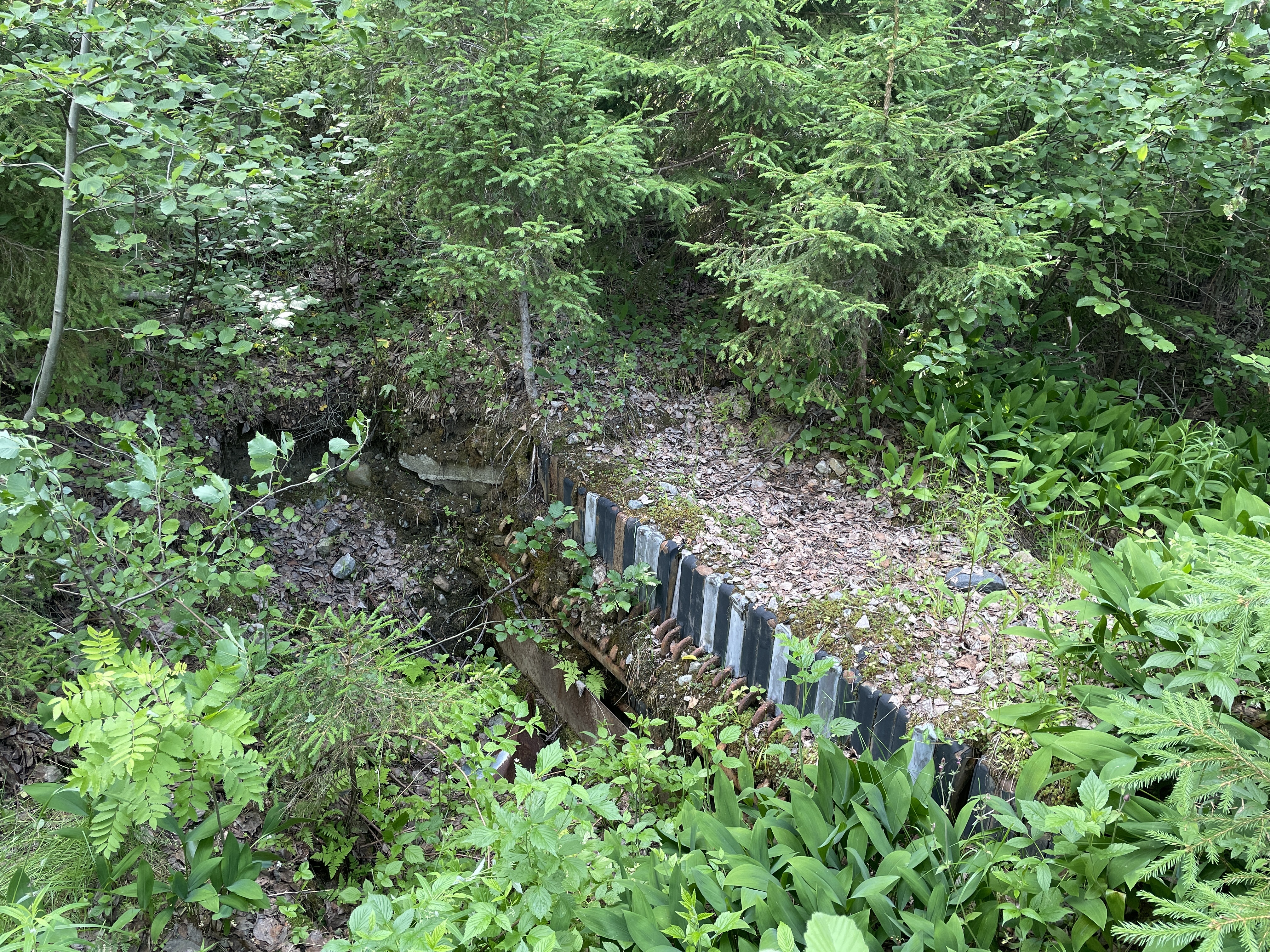
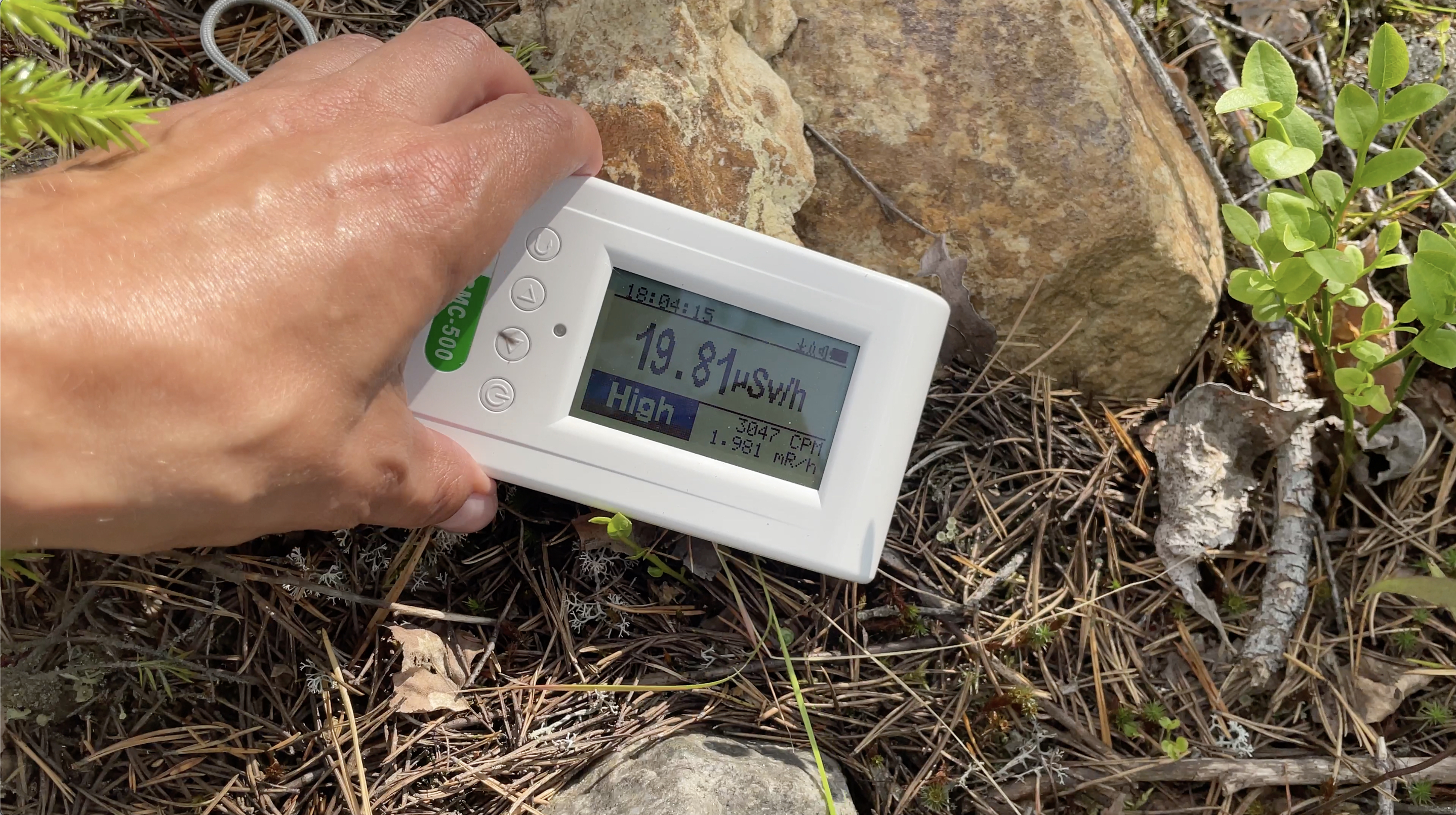
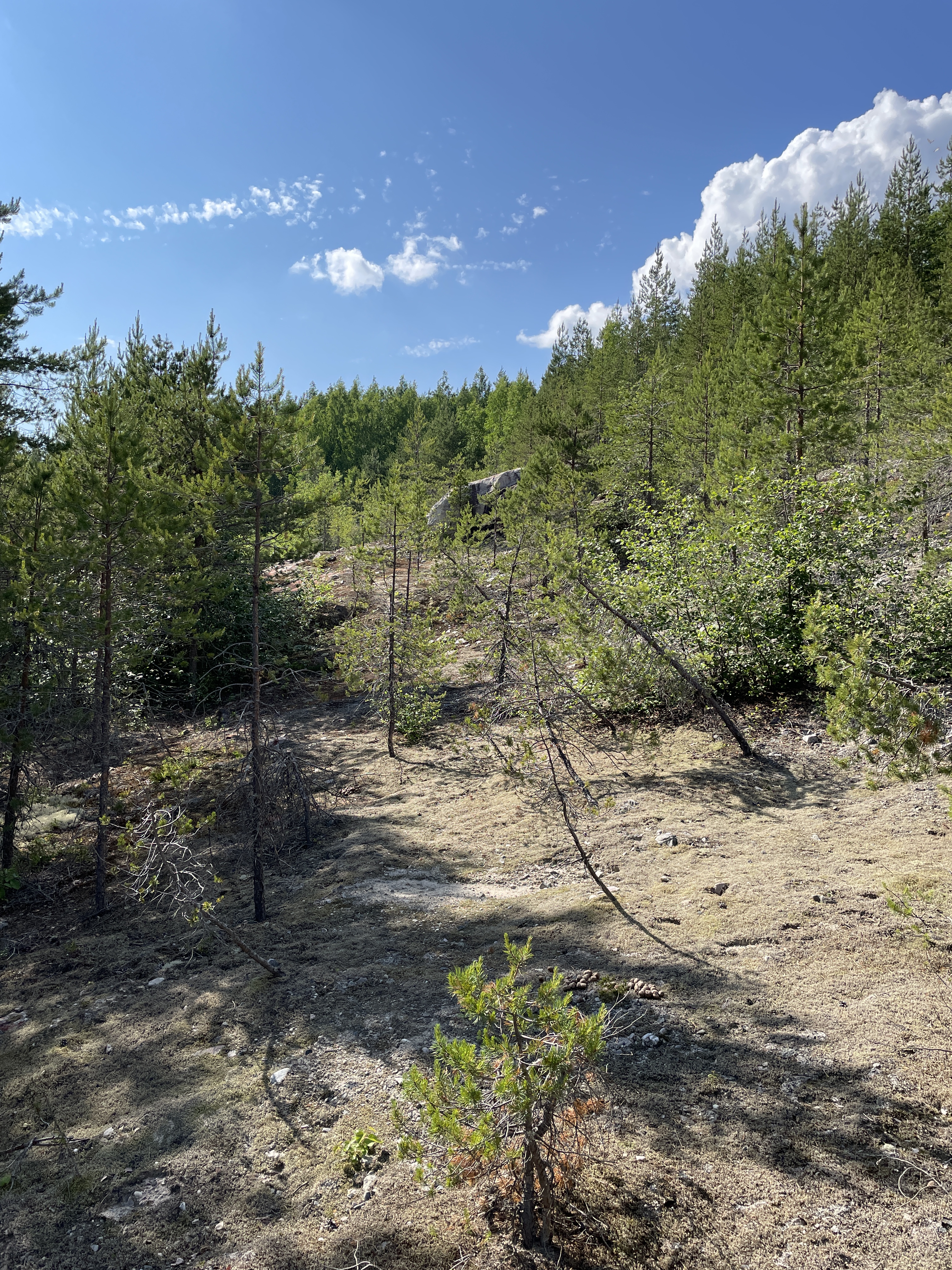
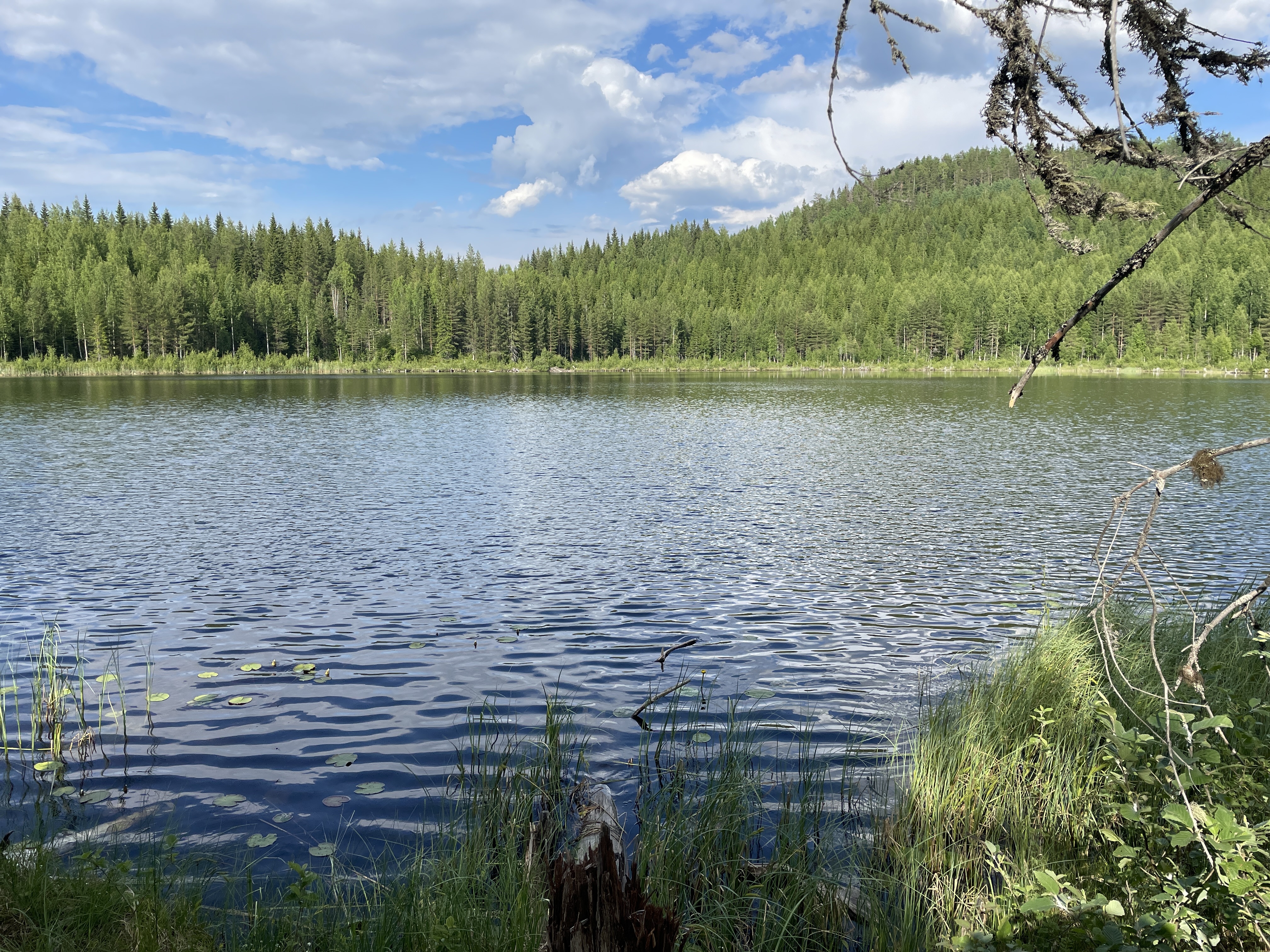
As a heritage site, Paukkajanvaara is undeniably a mixture of cultural and natural elements. The elevated radiation at the site is a result of industrial activities, but the site is nevertheless slowly taken over by the surrounding nature that seems to thrive there. In other words, Paukkajanvaara is toxic, but it continues to be inhabited by a host of different lifeforms from radon-consuming bacteria to mushrooms, berries, planted trees, birds, and deer. This mixture lends the site an alienating quality. When visiting the site, one is quickly overcome by the curious sensation that this is not a site for humans anymore and should be left undisturbed. For research, this poses an interesting challenge: how to research a site that should not and does not want to be disturbed?
Top image © Ilkka Laitakari, Geological Survey of Finland, 1961
 Nuclear Natures
Leave a comment