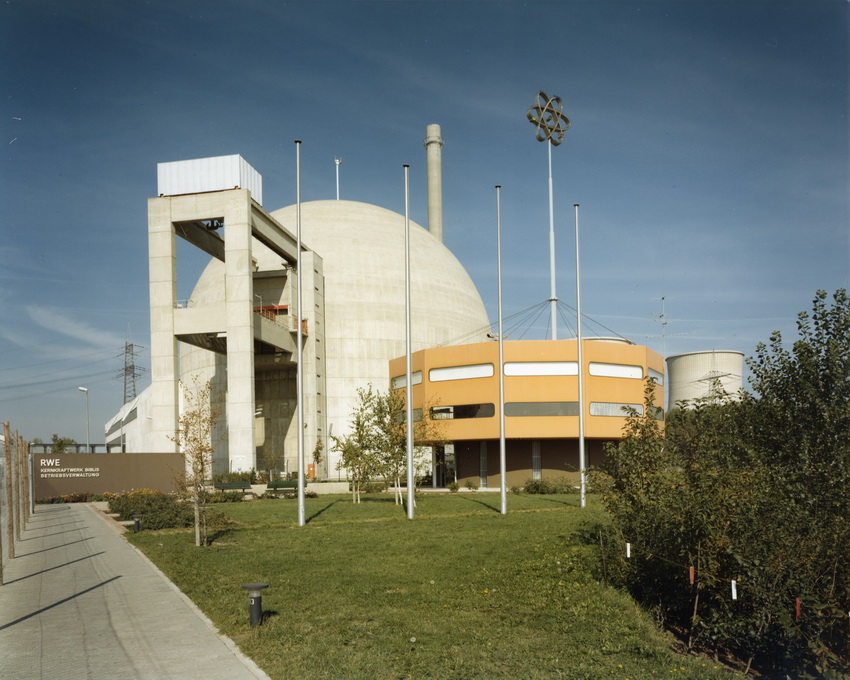
In Germany and Sweden, most nuclear power plants have a visitor center, an exhibition space where guests and passers-by can inform themselves about energy production, the functioning of a nuclear power plant, the history of the local site and the future of nuclear power and nuclear waste. They are strange places, somewhere between a marketing scheme and an earnest attempt at transparency and dialogue. So what to make of those info centers, especially now that nuclear power has, one again, become such a contested topic and as Germany has closed down its final plants for good? What are the stories they tell, in their exhibitions, but also through their histories and their architecture, about nuclear natures and nuclear heritage? These were the thoughts and questions I took with me to Germany when I went on a tour of multiple nuclear sites in March and April 2023.
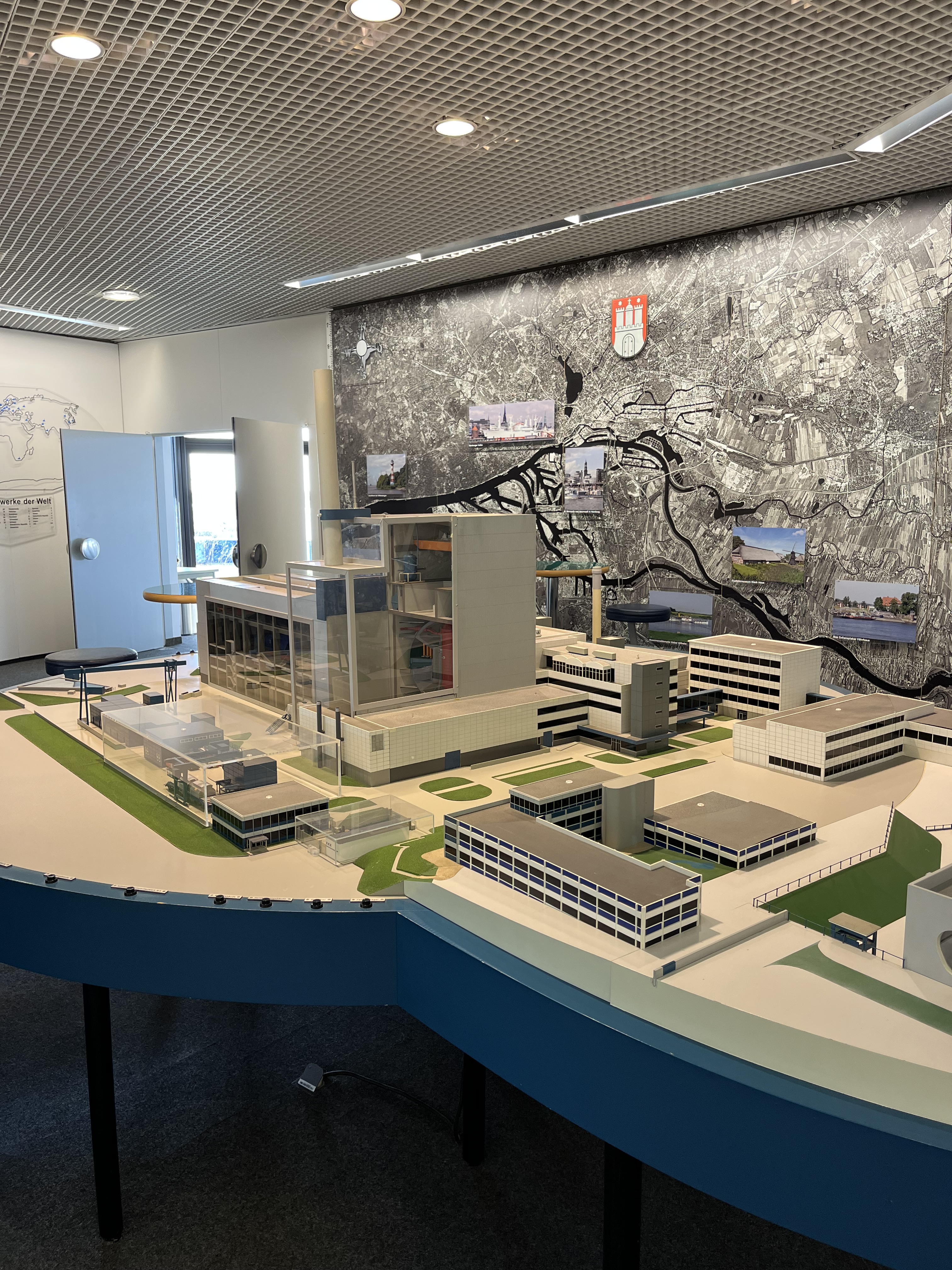
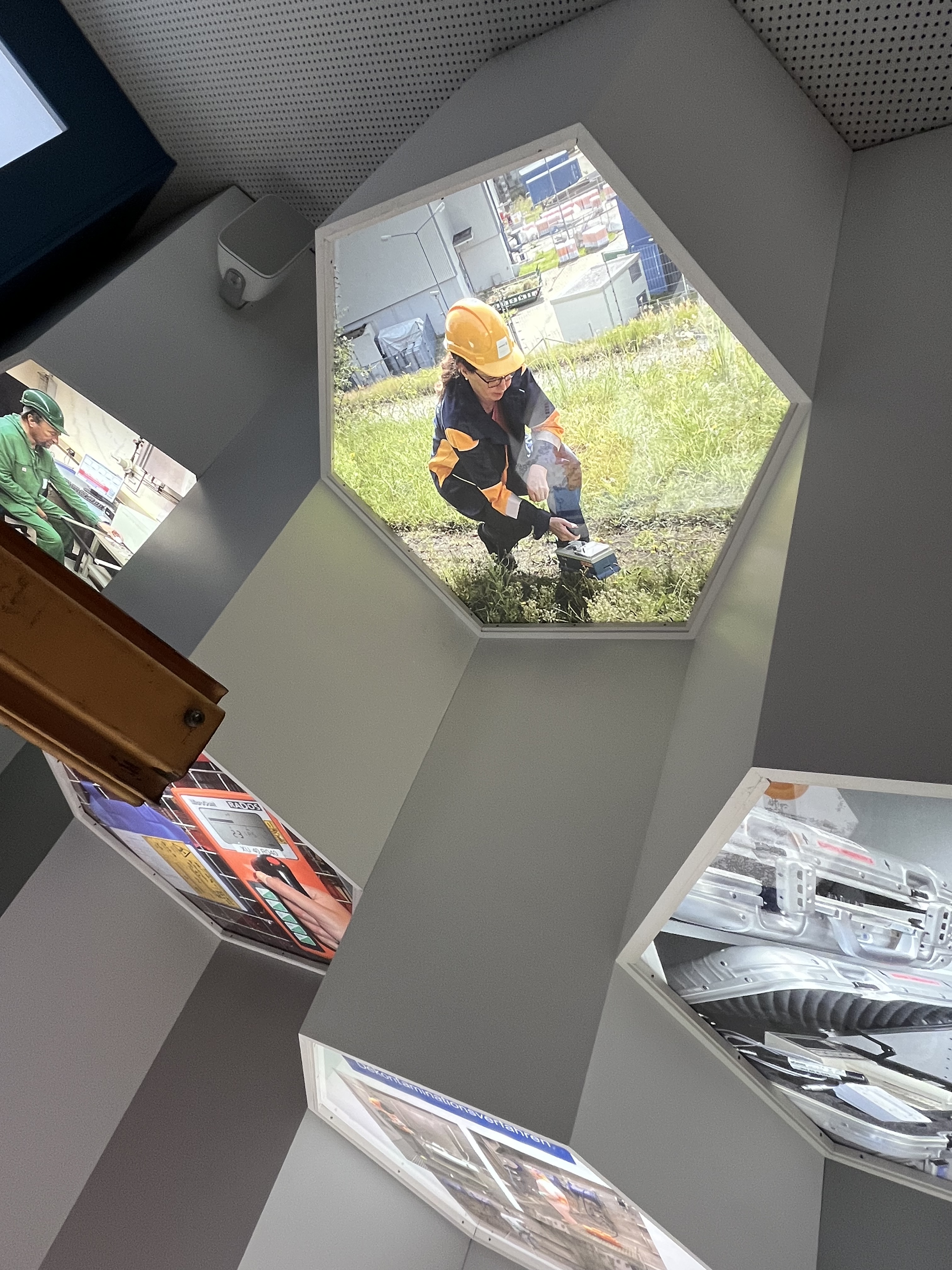
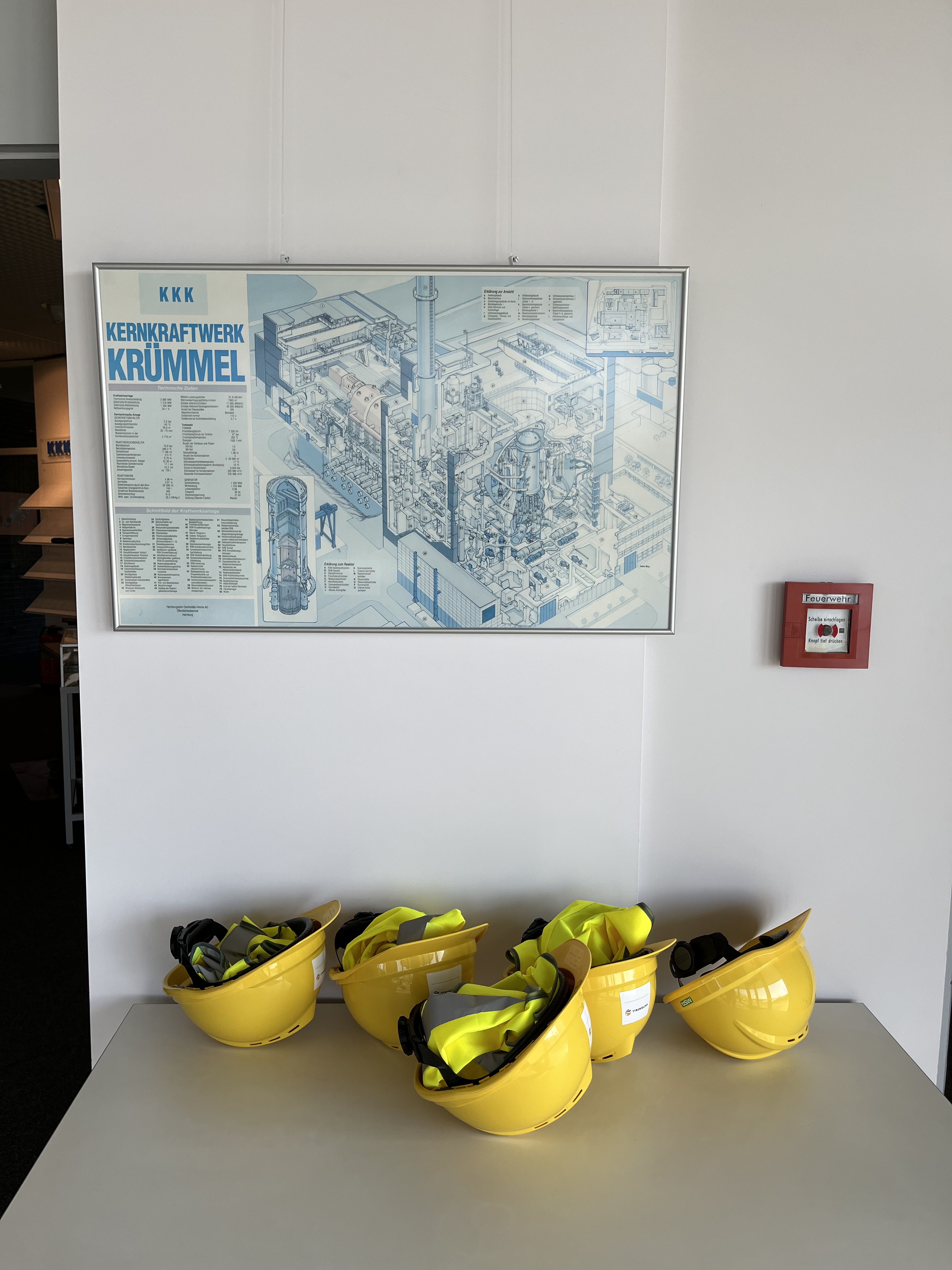
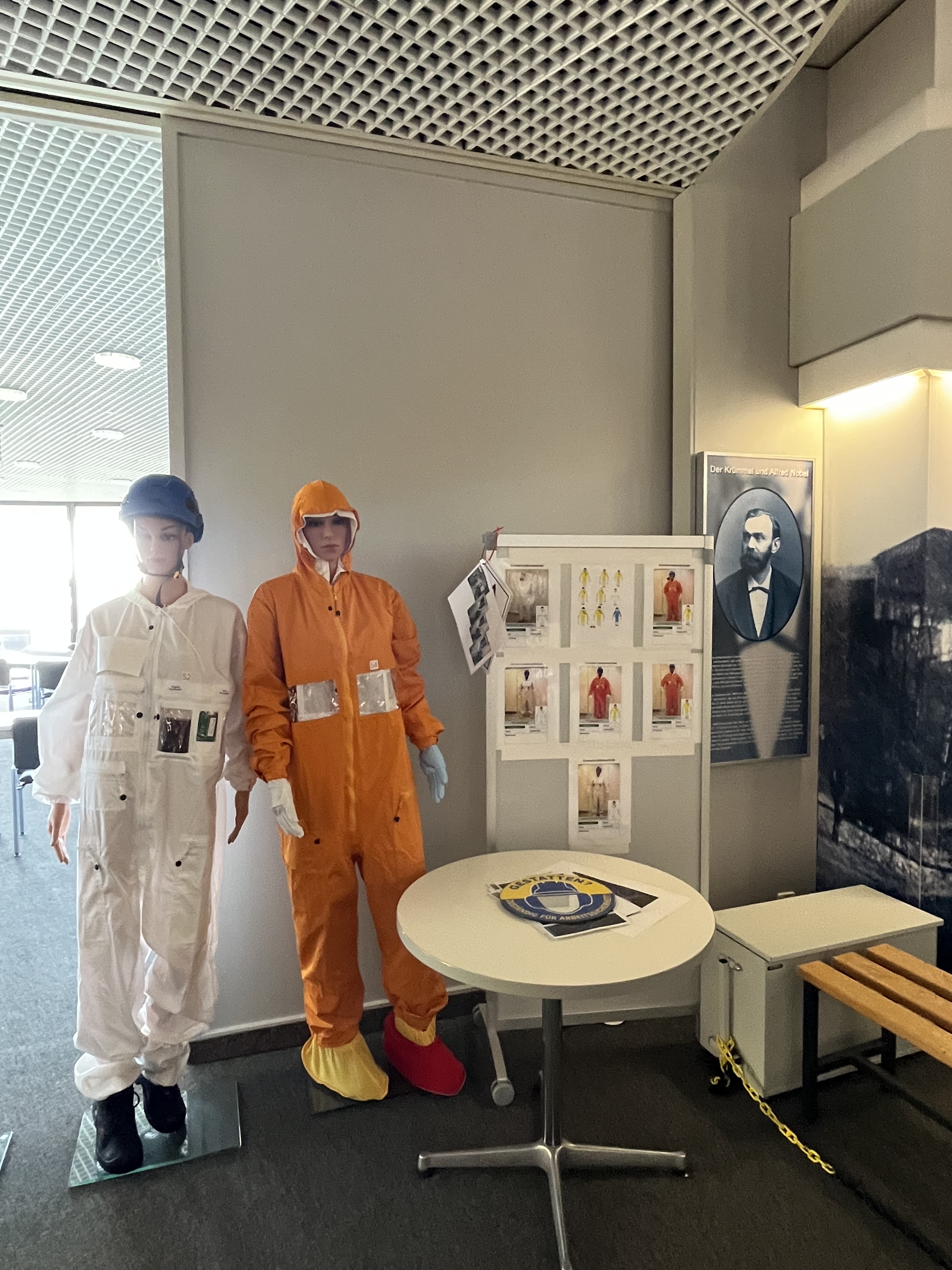
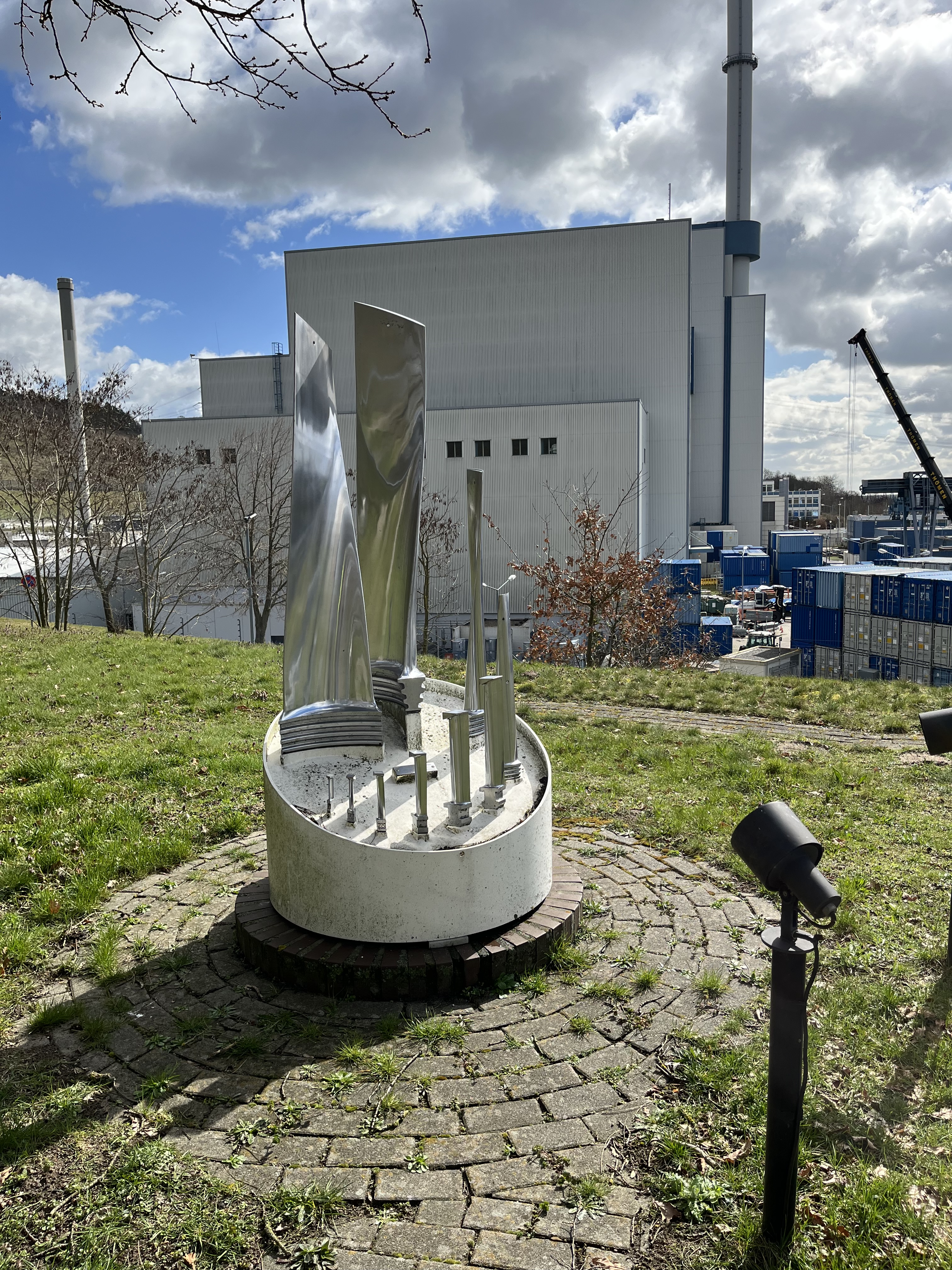
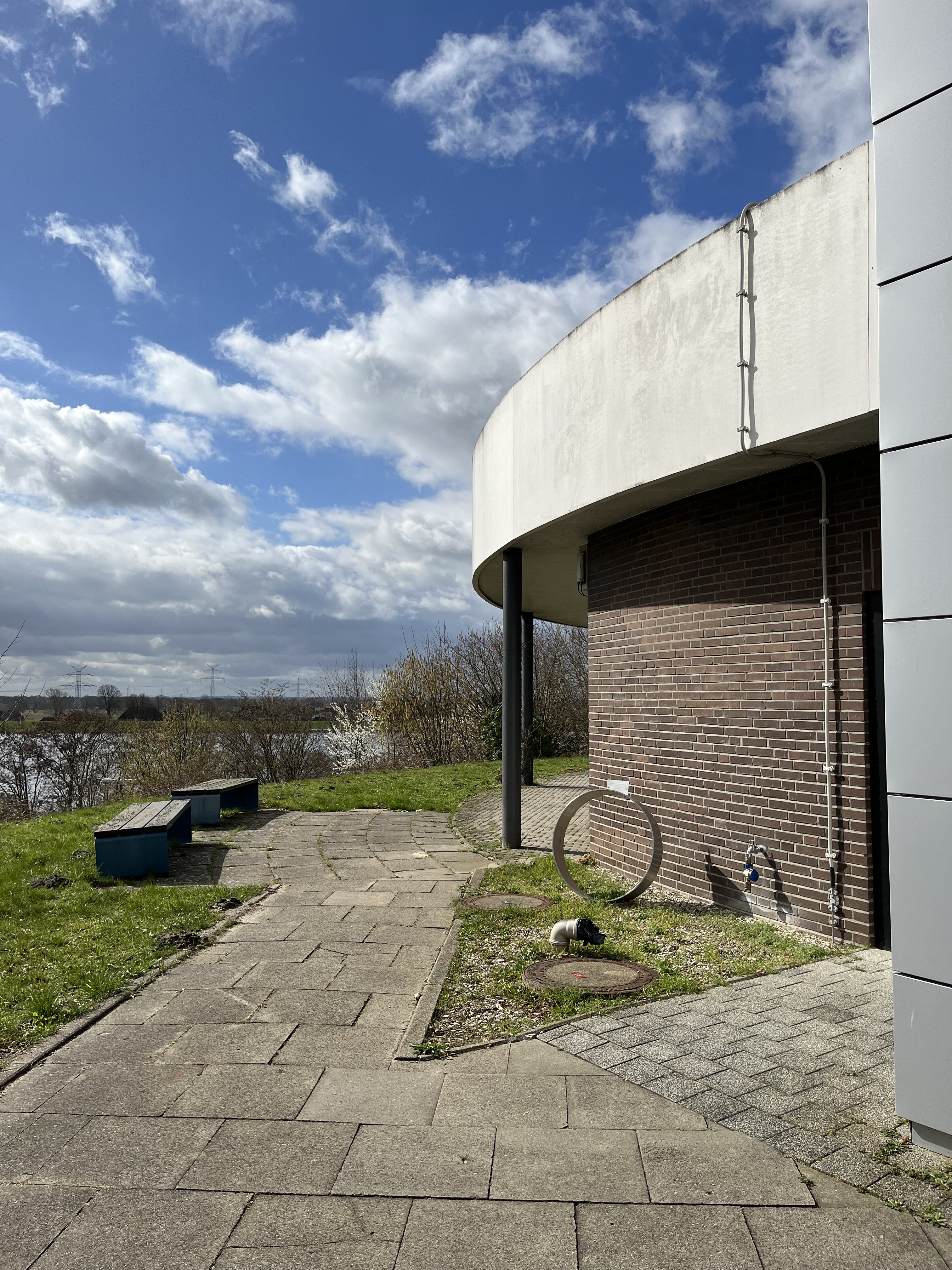
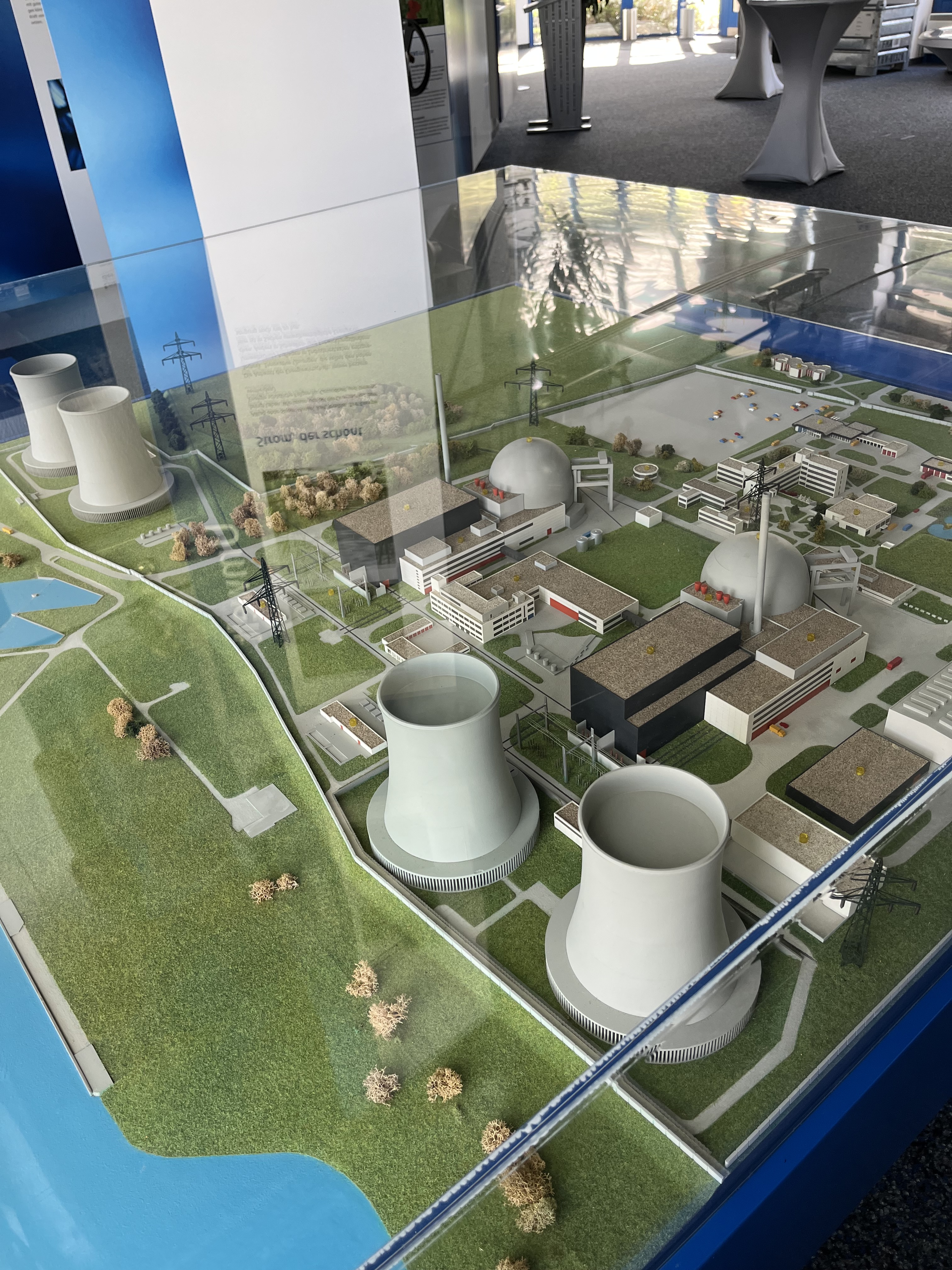
My first stop was the Krümmel nuclear power plant south-east of Hamburg, a boiling-water reactor operational from 1984 to 2011. The plant, a collection of scattered grey buildings, sits squeezed between the river Elbe and a small hill. It is also the site where Alfred Nobel built his first plant outside of Sweden and, in 1887, invented dynamite. The visitor center of Krümmel is a round pavilion outside of the restricted area on a small hill. It provides a beautiful view of the river – and of the anti-nuclear demonstrations which used to happen down there, as my guide tells me. The building is now mostly used for internal training purposes, but a piano and a fireplace still speak of a time when regular soirées, dialogues and information events were held here. The exhibition, though no longer updated, has all the typical features of a NPP visitor center: Dummies in safety gear, a model of the plant with buttons to activate lights, information about radiation and nuclear safety, as well as about nuclear waste storage and nuclear politics in Germany.
After a short stint in Brussels for a workshop, the next visitor center I saw belonged to a then still operational power plant, Emsland, close to the town of Lingen in north-west Germany. The exhibition had been recently modernized and will continue to be updated as the plant has now been shut down on 15th April 2023 as one of the final three plants in Germany. It presents a more streamlined version of what I have seen in Krümmel, stressing a narrative of complimentary energy sources, transition to renewables and into decommissioning of nuclear plants.
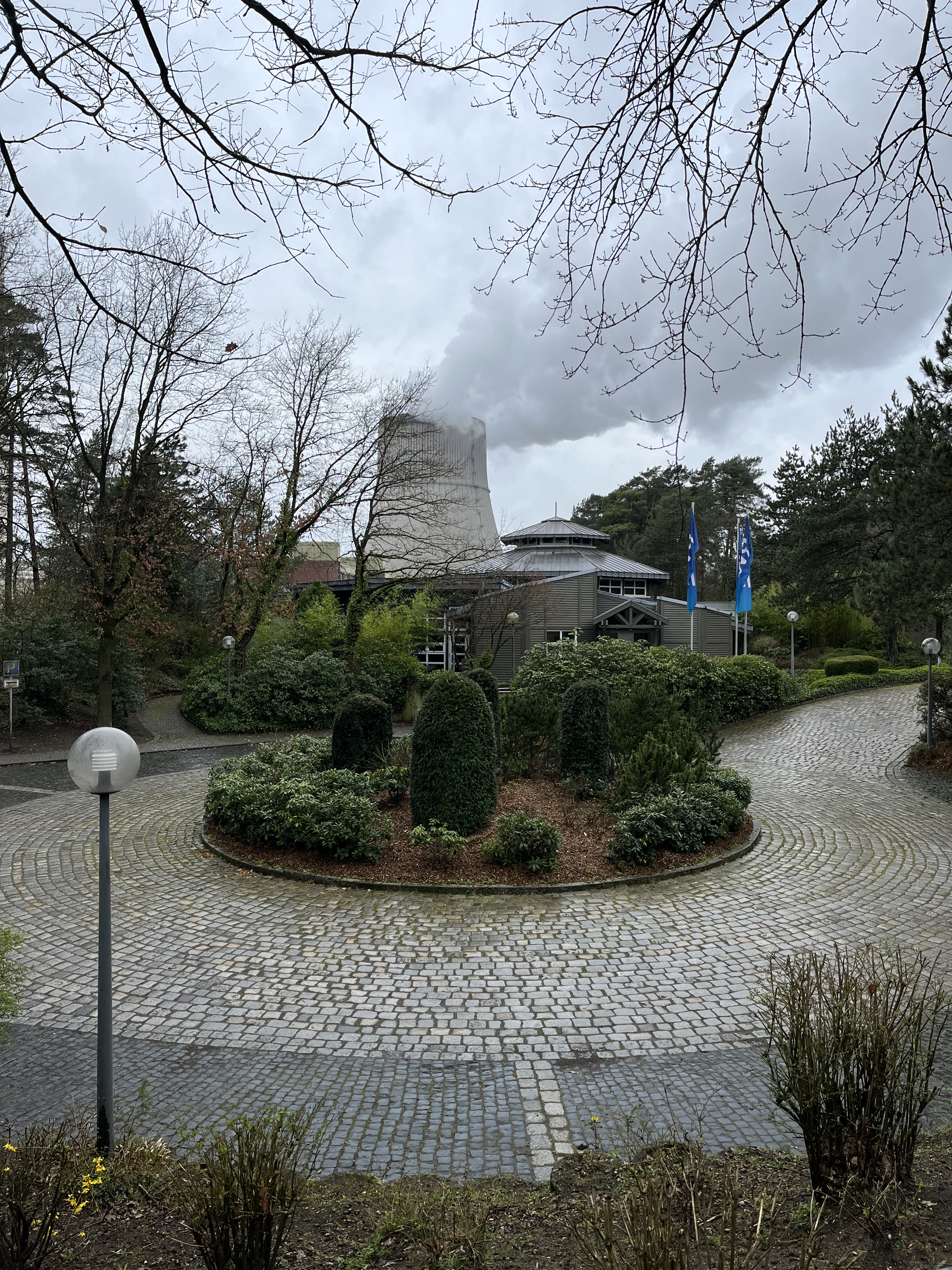
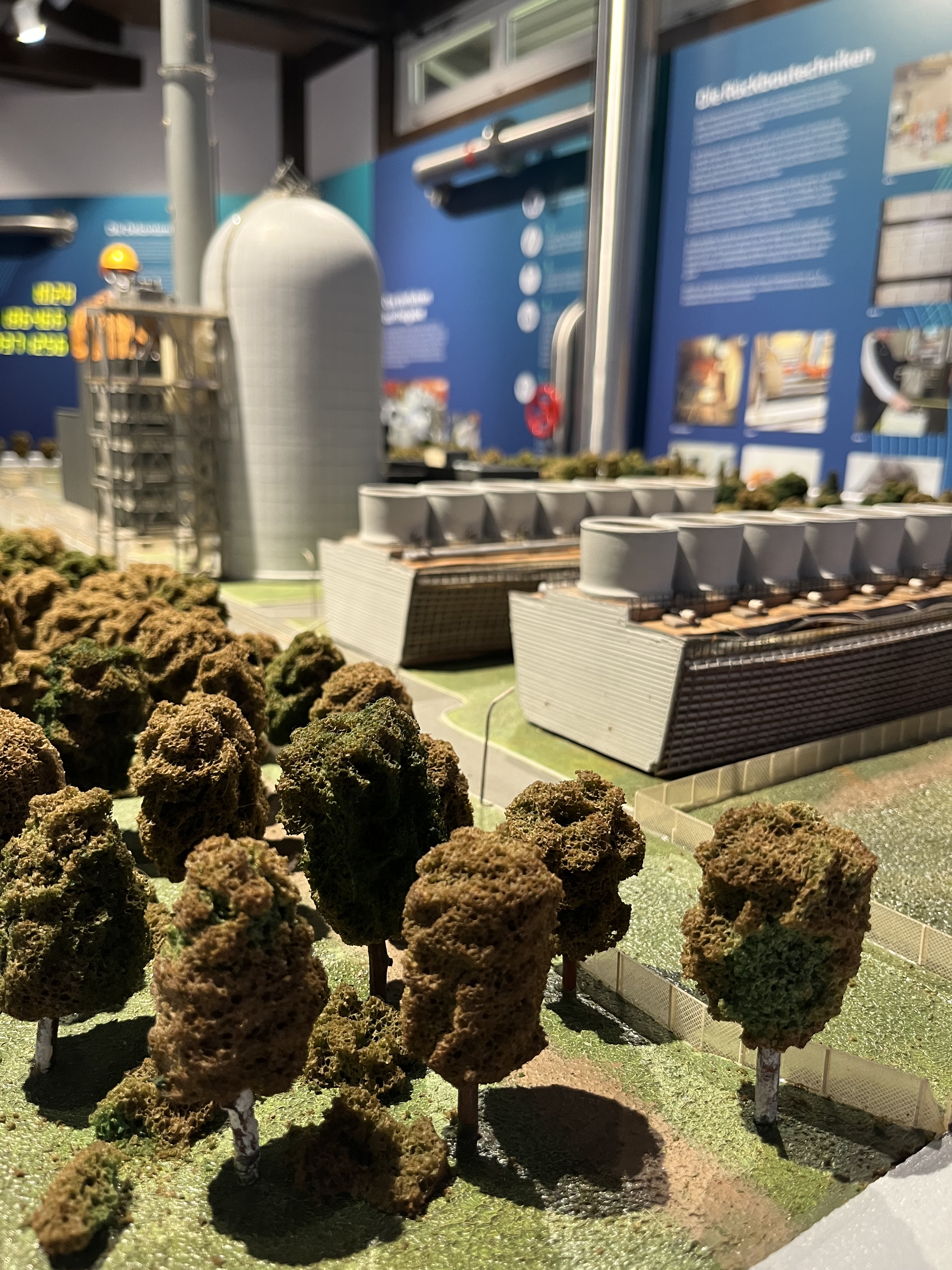
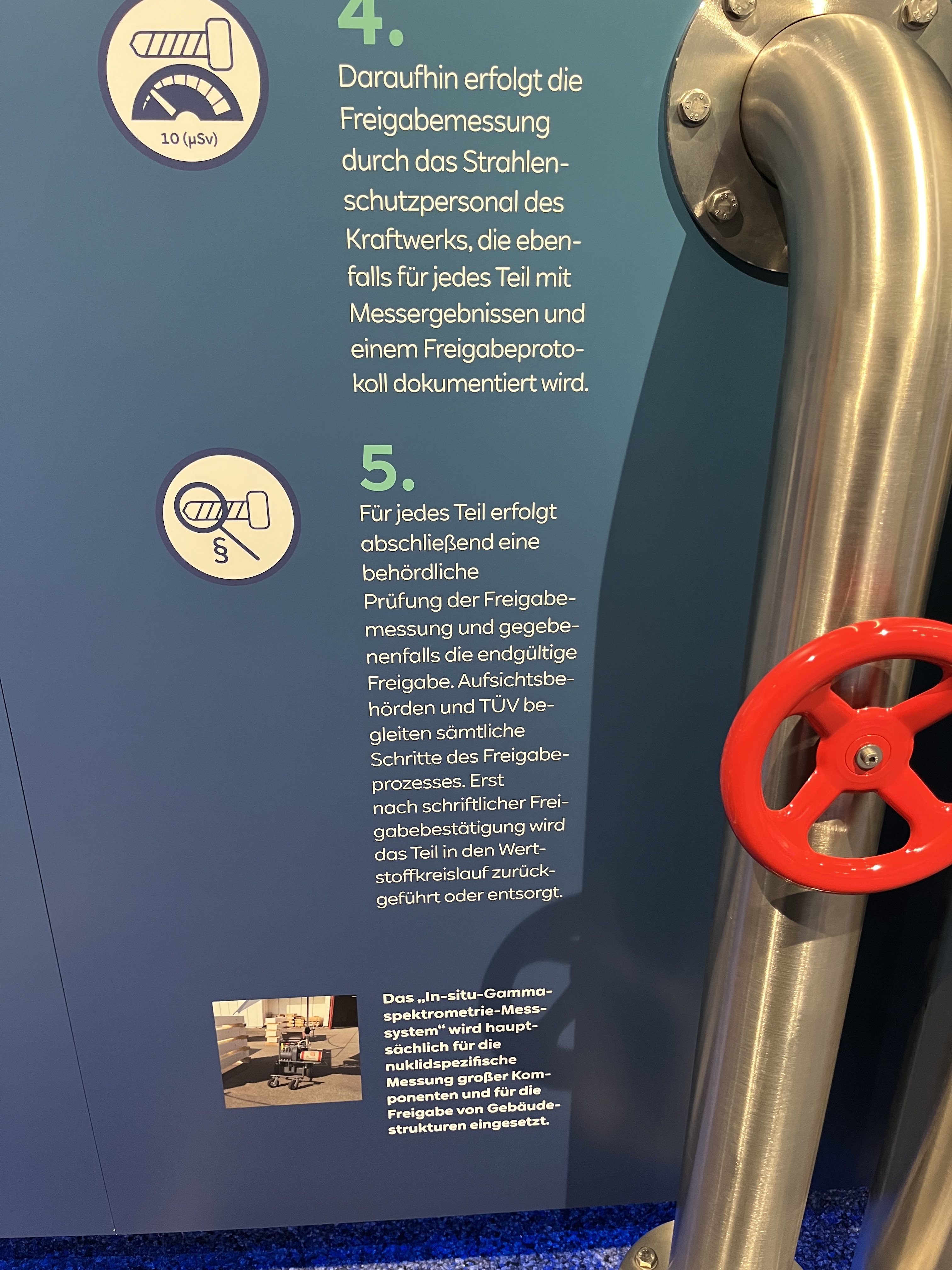

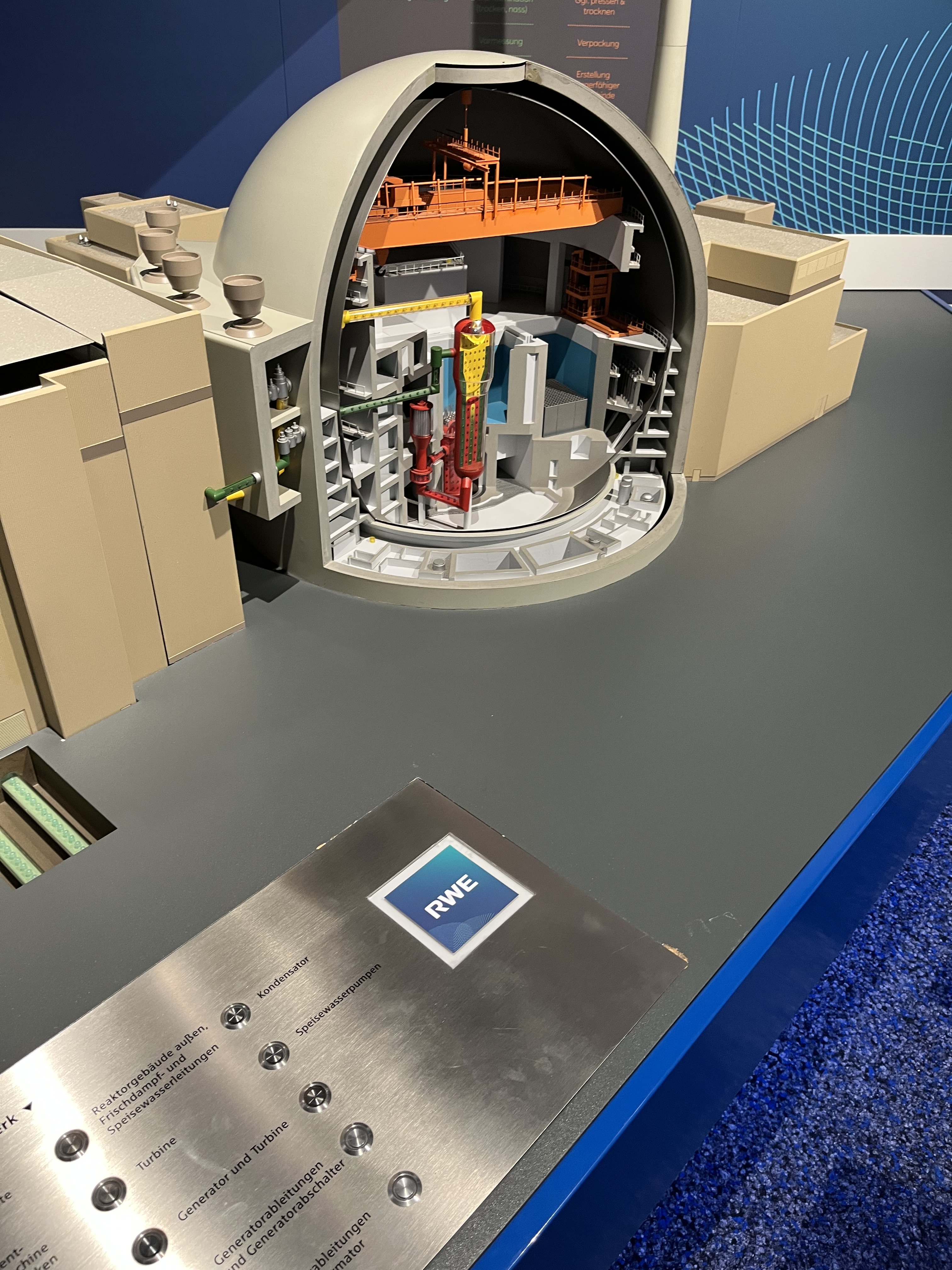
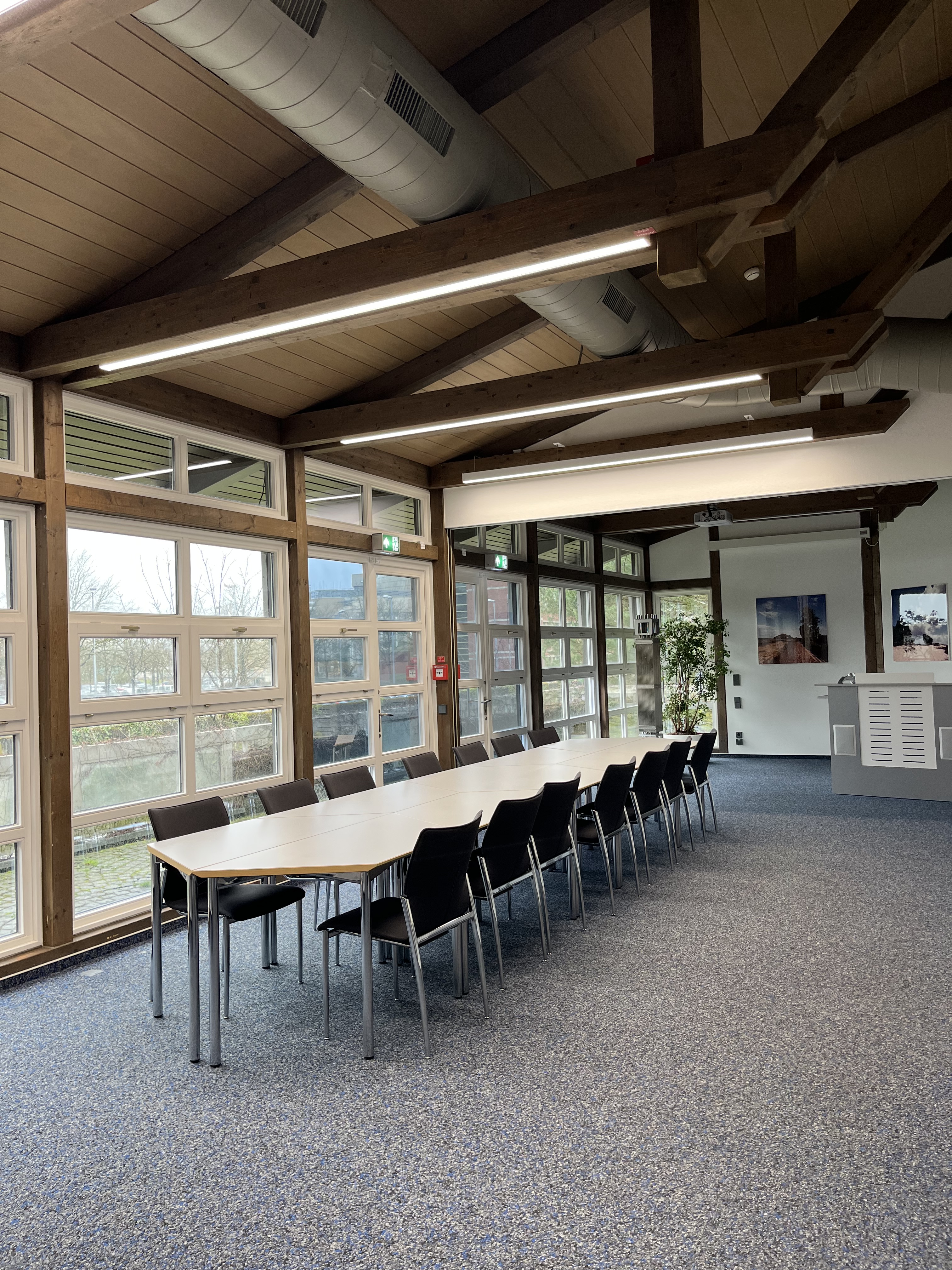

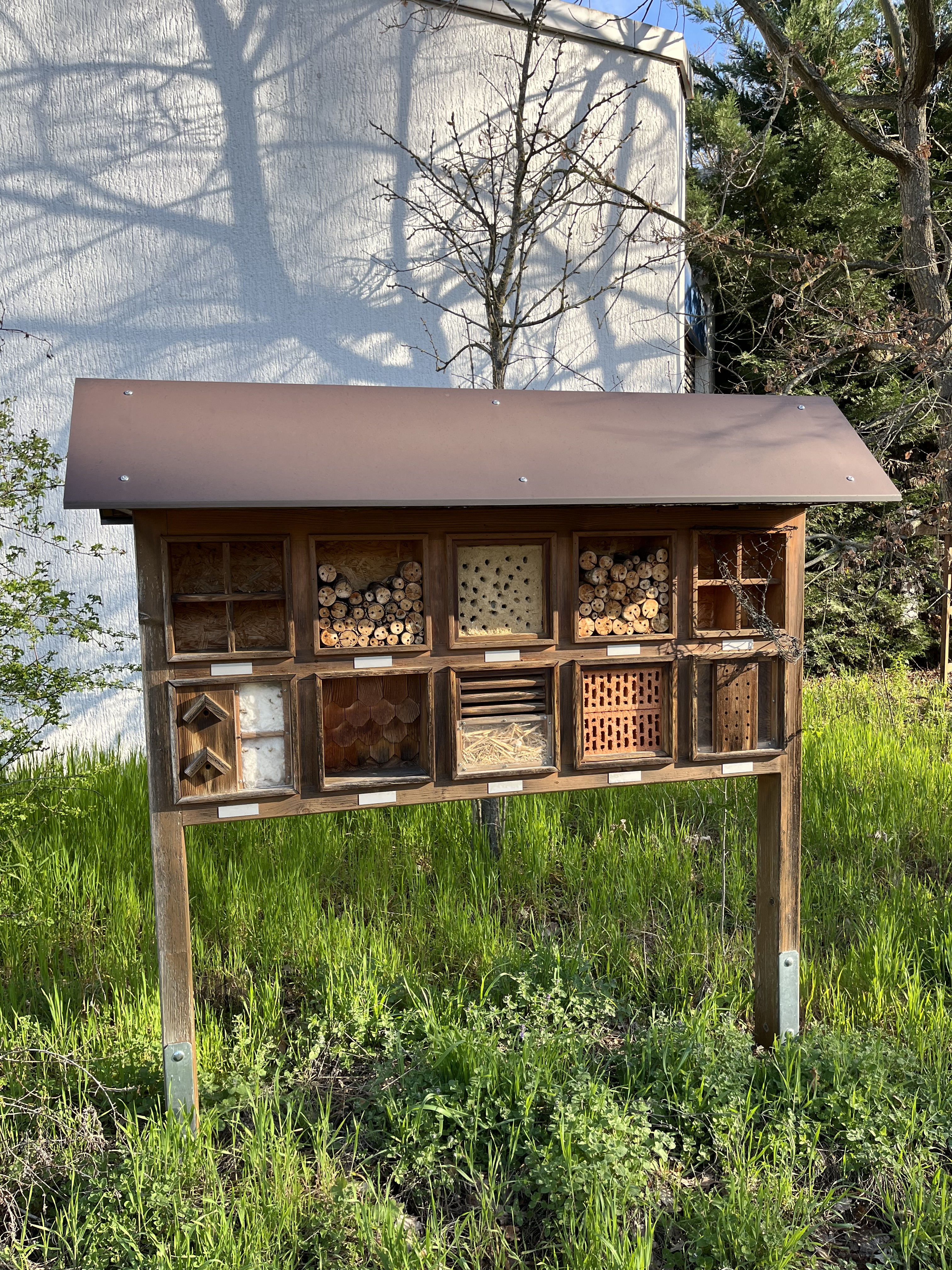
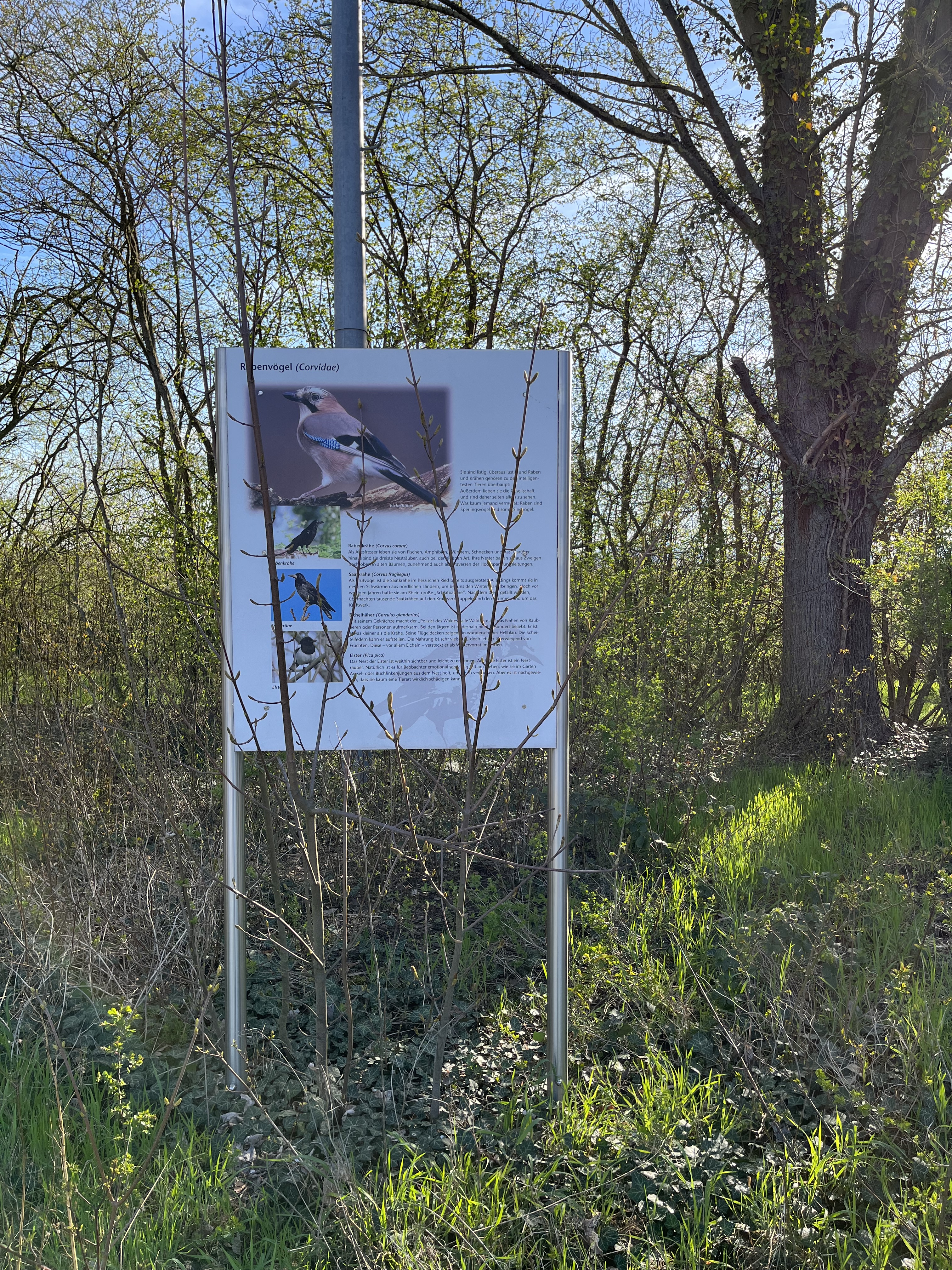
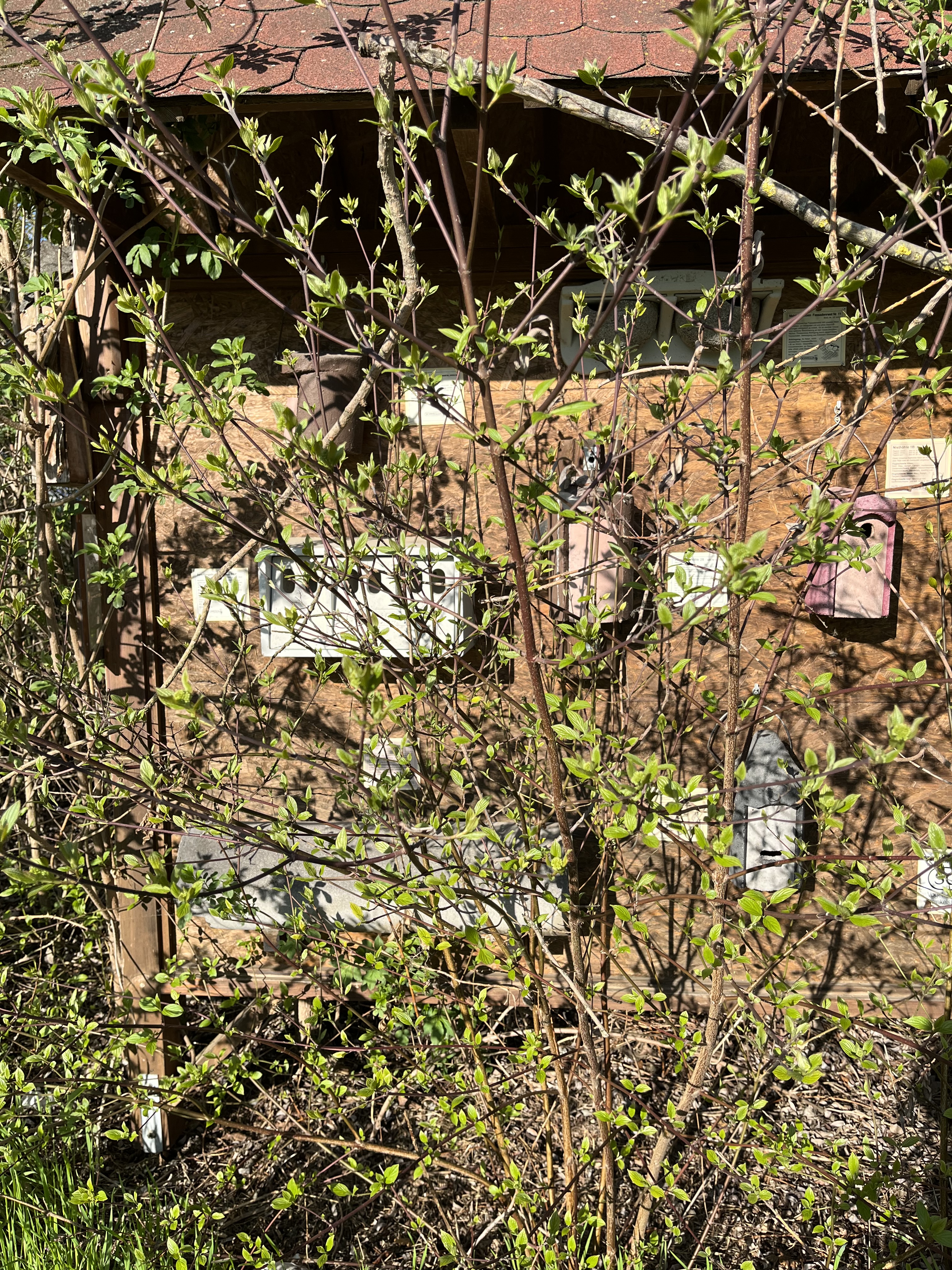
Finally, I was able to visit the information center of the Biblis nuclear power plant south of Frankfurt, which was closed down a few years ago when the power plant shut down. Here, the exhibition pieces have been moved to the side to make space for internal trainings for which the rooms of the pavilion are now mainly used. One of the strongest impressions from this site are the overgrown remains of a nature education path which was completed right around the time that the closure of the power plant was ordered post-Fukushima.

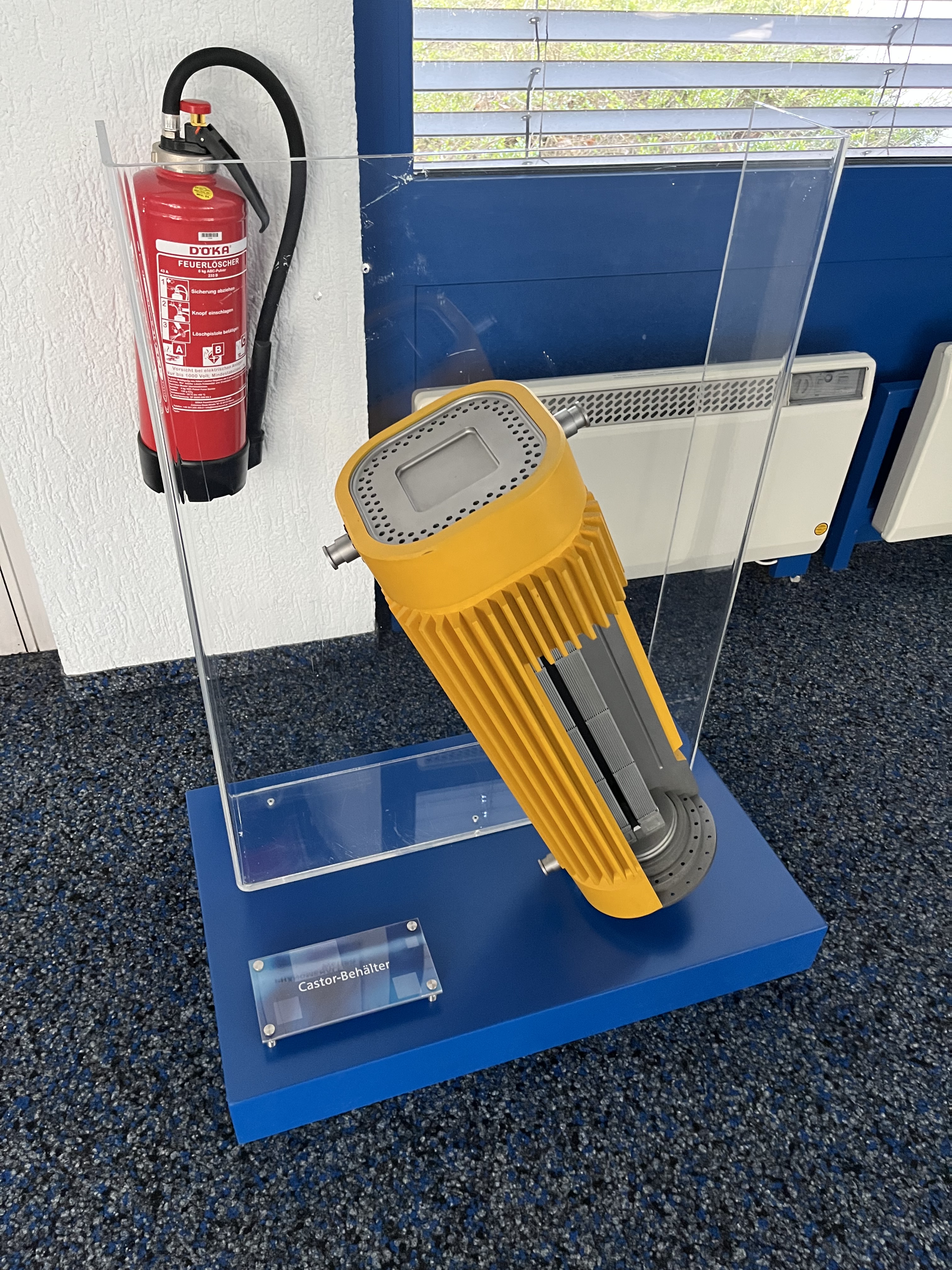
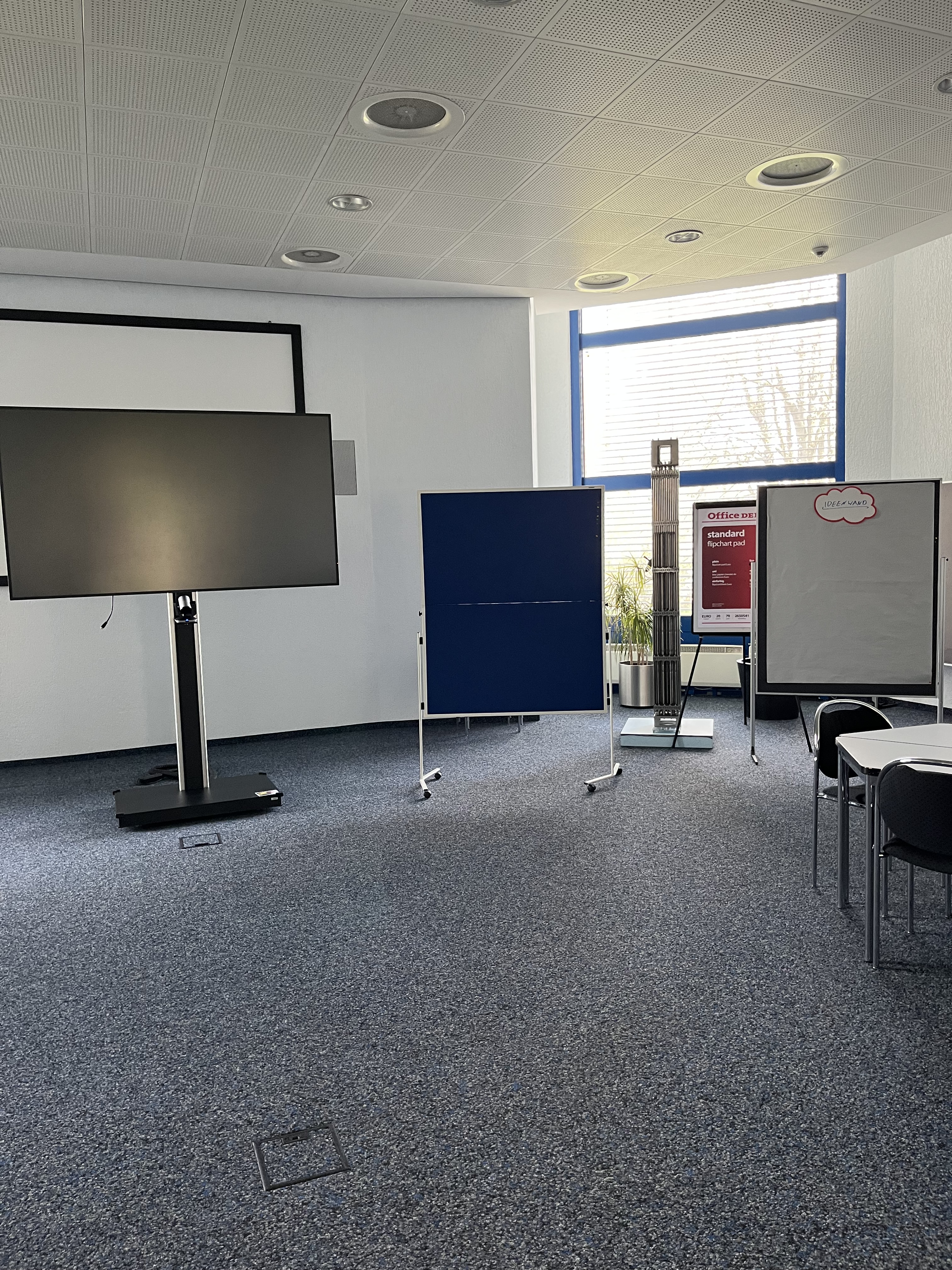
Back from this trip, I am now hoping to distill my impressions into a reflection of the aesthetics of visitor centers at nuclear power plants.
 Nuclear Natures